23 Nov 2026
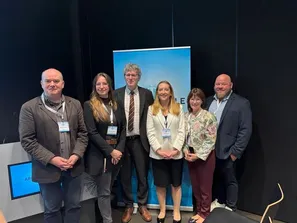
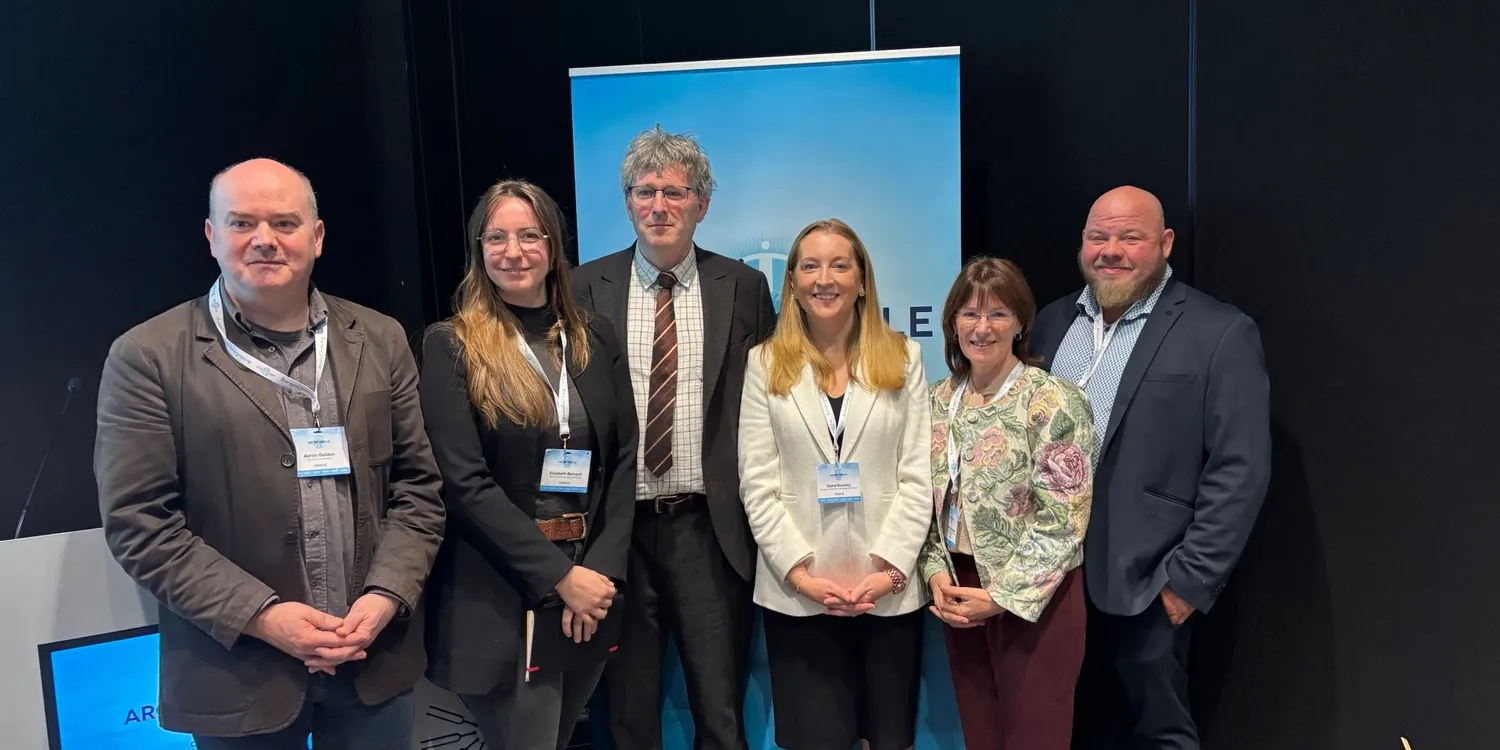
Hero Image: 'Using Irish and Icelandic Wetlands as Catalysts for Change' Pictured left to right: Aaron Golden,Elisabeth Bernard, Thomas Barry, H.E. Claire Buckley, Christine Domegan, and Kari Fannar Larusson (Credit: Christine Domegan)
A blog by Christine Domegan
In October, I had the opportunity to attend the 2026 Arctic Circle Assembly in Reykjavík, Iceland. Held in the striking Harpa Concert Hall, the event brings together people from across the world including scientists, policymakers, Indigenous representatives, community leaders and environmental organisations to discuss some of the most pressing challenges facing our climate and natural environment.
While the programme covered a wide range of topics, from Arctic governance to ocean conservation, two sessions stood out for me - both reinforced the importance of working across sectors and borders to tackle climate change, while recognising that meaningful action often begins at a local level.
Wetland Restoration in Irish and Icelandic contexts
One of the most interesting sessions explored wetland restoration efforts in Ireland and Iceland.
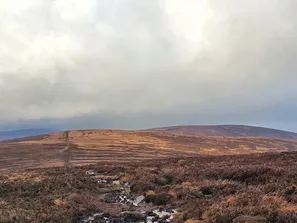
Although the landscapes of the two countries look very different, they share a surprisingly similar story. For generations, wetlands were drained to support agriculture, forestry and development. We now know that these drained peatlands and wetlands can become significant sources of greenhouse gas emissions.
The discussion focused on how both countries are approaching the challenge of restoring these ecosystems while supporting the people who live and work on the land.
Some of the key themes included:
- Balancing environmental and social needs. Both Ireland and Iceland are working to find practical ways of restoring wetlands while engaging constructively with farmers, landowners and local communities.
- The climate benefits of rewetting. Restoring natural water levels can help reduce carbon emissions from degraded peat soils while also creating habitat for wildlife and improving ecosystem health.
- Learning from each other. Speakers highlighted the value of international collaboration, with Ireland sharing experiences from national restoration programmes and Iceland presenting innovative approaches to mapping drainage networks and monitoring restoration projects.
What struck me most was the openness of the discussion. Despite differences in geography and policy, many of the challenges are shared, and there was a strong willingness to learn from one another's experiences.
A Call for Climate Courage
Another memorable moment was hearing Mary Robinson, former President of Ireland and Chair of The Elders, speak on climate leadership and environmental governance.
Her message was both hopeful and challenging. She spoke about the need for courage in responding to the climate crisis and reminded the audience that incremental change alone will not be enough. Addressing climate change requires long-term thinking, fairness and a commitment to protecting both people and nature.
Her emphasis on climate justice was particularly powerful, highlighting that the impacts of environmental change are not experienced equally and that solutions must work for communities as well as ecosystems.
Looking Ahead
Leaving Reykjavík, I came away with a renewed appreciation for the role that collaboration plays in addressing environmental challenges, and the need to ramp up these collaborations and implement solutions at pace.
Whether through wetland restoration projects, knowledge exchange between countries, or leadership that encourages ambitious action, the Arctic Circle Assembly demonstrated the value of bringing people together around common goals.
For those of us involved in peatland restoration, the message was clear: while the challenges are significant, there is also a growing community of people working to restore landscapes, strengthen local communities and contribute to a more sustainable future. Time is of the essence, and we must ramp up these collaborations and implement solutions at pace.
Thank you to Claire Buckley Irish ambassador to the Arctic Circle for her support and organisation of the session along with co-chairs Aaron Golden and Thomas Barry.
We also thank Aideen Reilly, NCP EU LIFE, DECC for their support to showcase EU LIFE Peatlands and People and opportunities for further collaborations.
Christine Domegan is Professor Emeritus of Social Marketing at the University of Galway, specialising in behaviour change, systems transformation and sustainability transitions. She was a key contributor to the development of the LIFE IP Peatlands and People proposal, leading Pillar III and helping to shape the vision for Climate House Ireland as a destination that connects people with nature, climate action and positive societal change. Christine serves on the board of the Peatlands and People Foundation, which is working to realise Climate House as a nationally significant centre for learning, innovation and public engagement.